
Intumescent Paint & Fire Retardant Coatings in Orange County
Fire Protection That Looks Like a Professional Paint Job
Most people are surprised to learn that paint can slow a fire. Intumescent paint is a specialized coating that stays thin and smooth on your walls, beams, or eaves — until it’s exposed to extreme heat. Then it expands up to dozens of times its thickness, forming an insulating char layer that shields the material underneath and buys critical time: time for occupants to get out, and time for firefighters to respond.
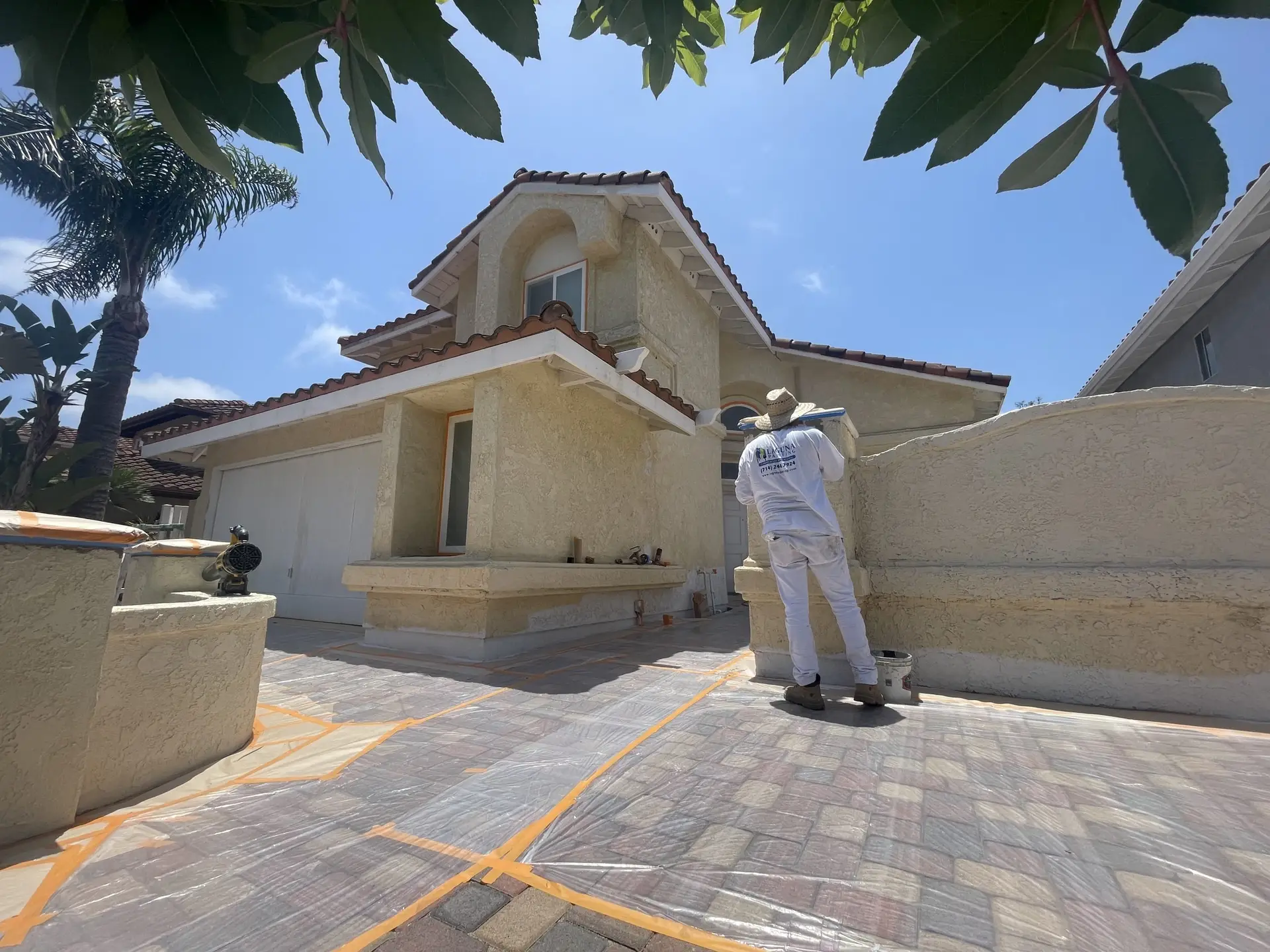
Laguna Painting applies intumescent and fire retardant coatings for homeowners, HOAs, property managers, and commercial building owners across Orange County. It’s a niche service most painting companies won’t touch, because doing it right requires the correct products, the correct film thickness, and documentation that satisfies inspectors. We handle all three.
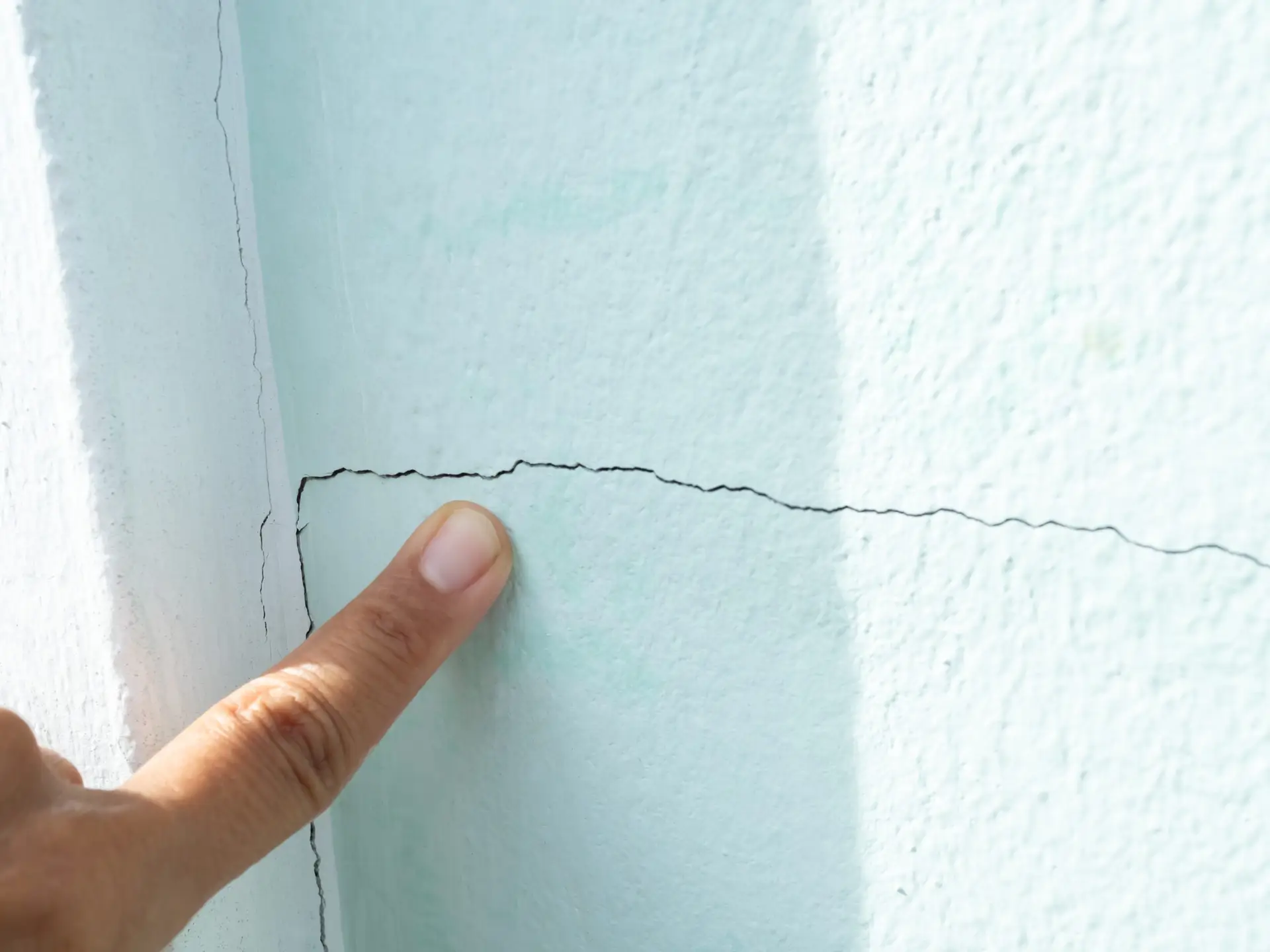
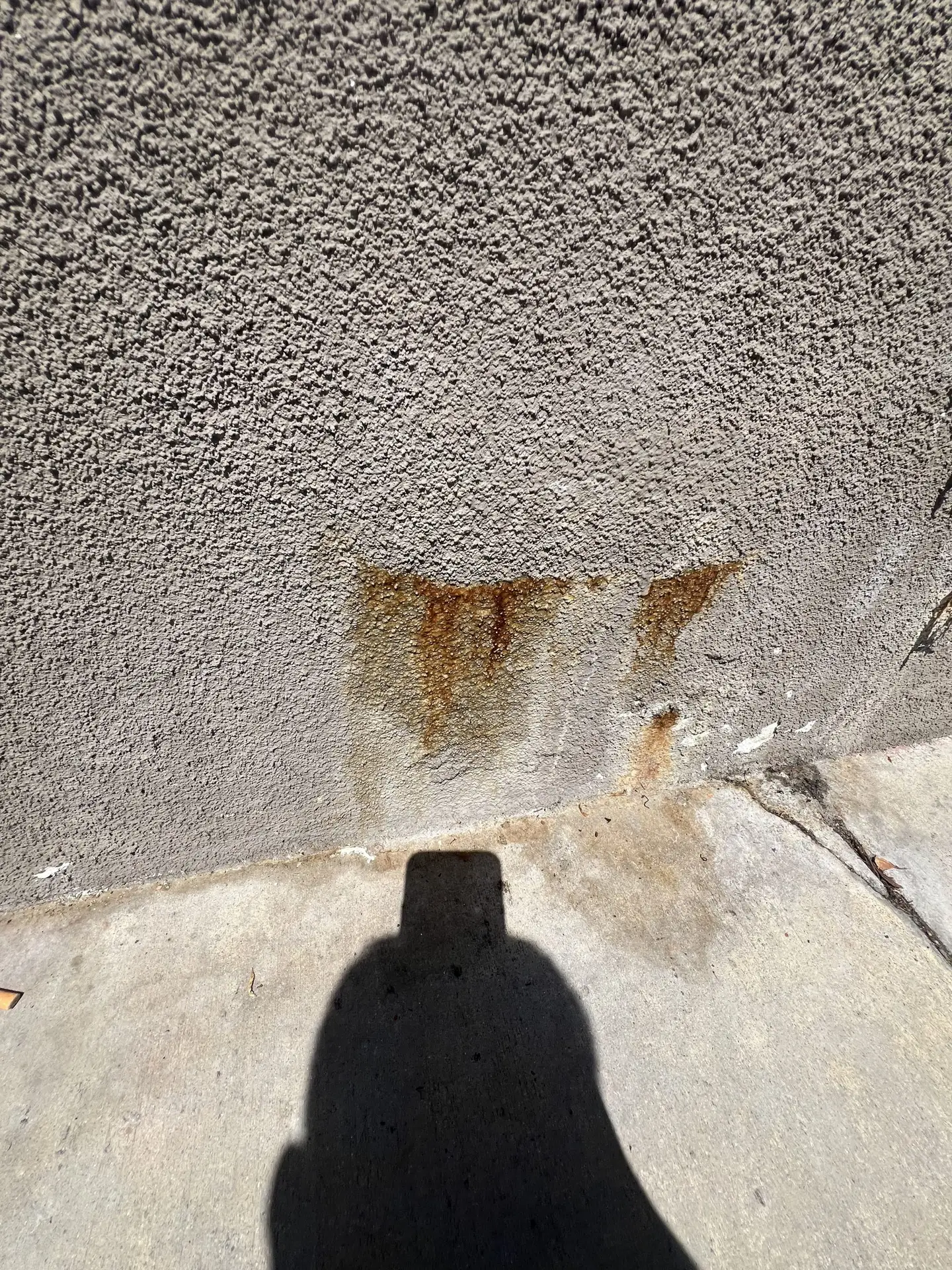
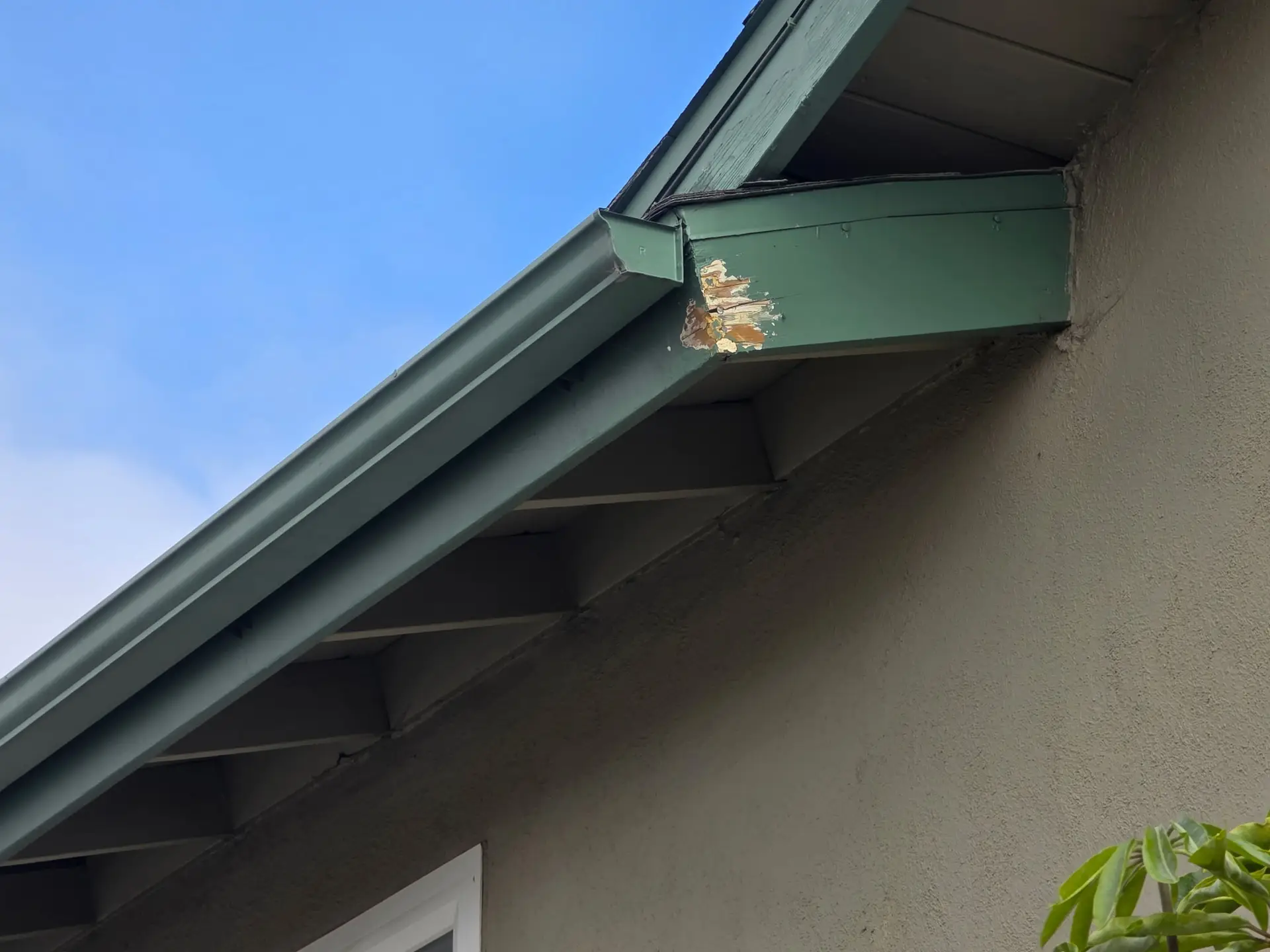
Laguna Painting repairs the damage first. We remove dry rot, replace failed wood, seal and patch stucco, and match your existing texture — then paint. It’s the difference between a paint job that lasts two years and one that lasts te
Why Orange County Properties Are Turning to Fire-Rated Coatings
If your home sits in or near one of Orange County’s designated Very High Fire Hazard Severity Zones — the hillside and canyon communities from Laguna Beach and Laguna Niguel to Anaheim Hills, Orange Park Acres, and Coto de Caza — you’ve likely felt the pressure already: rising insurance premiums, non-renewal notices, and new expectations around home hardening.
Fire-rated coatings are one of the most cost-effective home hardening upgrades available because they protect the structure you already have. Instead of replacing eaves, decks, or exposed framing with fire-rated materials, an intumescent coating adds a tested layer of protection to the existing surfaces — applied like paint, finished like paint.
For commercial buildings, the driver is usually code. Exposed structural steel often requires a fire-resistance rating, and intumescent coatings are the standard way to achieve it without boxing in the steel with drywall or spray fireproofing.
Where We Apply Intumescent and Fire Retardant Coatings
- Exposed steel beams and columns — code-required fire ratings for commercial and industrial buildings, achieved with thin-film intumescent systems that preserve the architectural look of exposed steel.
- Wood framing, beams, and ceilings — interior fire retardant coatings for exposed wood structure in homes, restaurants, and retail spaces.
- Eaves, soffits, and fascia — the most vulnerable ignition points on a home during an ember storm, and a top priority for wildfire hardening.
- Decks and exterior wood — exterior-rated fire retardant systems for wood surfaces that can’t practically be replaced.
- Garages, workshops, and ADUs — occupancy-separation walls and ceilings where added fire resistance protects the main dwelling.
Fire Retardant vs. Fireproof: An Honest Answer
No paint makes a building fireproof, and any contractor who says otherwise is overselling. Here’s the truthful version:
- Fire retardant paint slows ignition and reduces flame spread across a surface. It’s rated by how much it limits flame spread (Class A being the best rating).
- Intumescent paint goes further: under heat it swells into a thick, insulating char that delays the temperature rise of the material underneath — this is how steel gets a 1- or 2-hour fire rating and how wood surfaces gain meaningful protection time.
What these coatings actually buy you is time and resistance — slower ignition, slower spread, longer structural integrity. In a wildfire ember event or a building fire, those minutes are often the difference between a save and a loss. We set expectations honestly because it matters, and because your insurance carrier and your inspector will too.
Our Application Process
1. Assessment
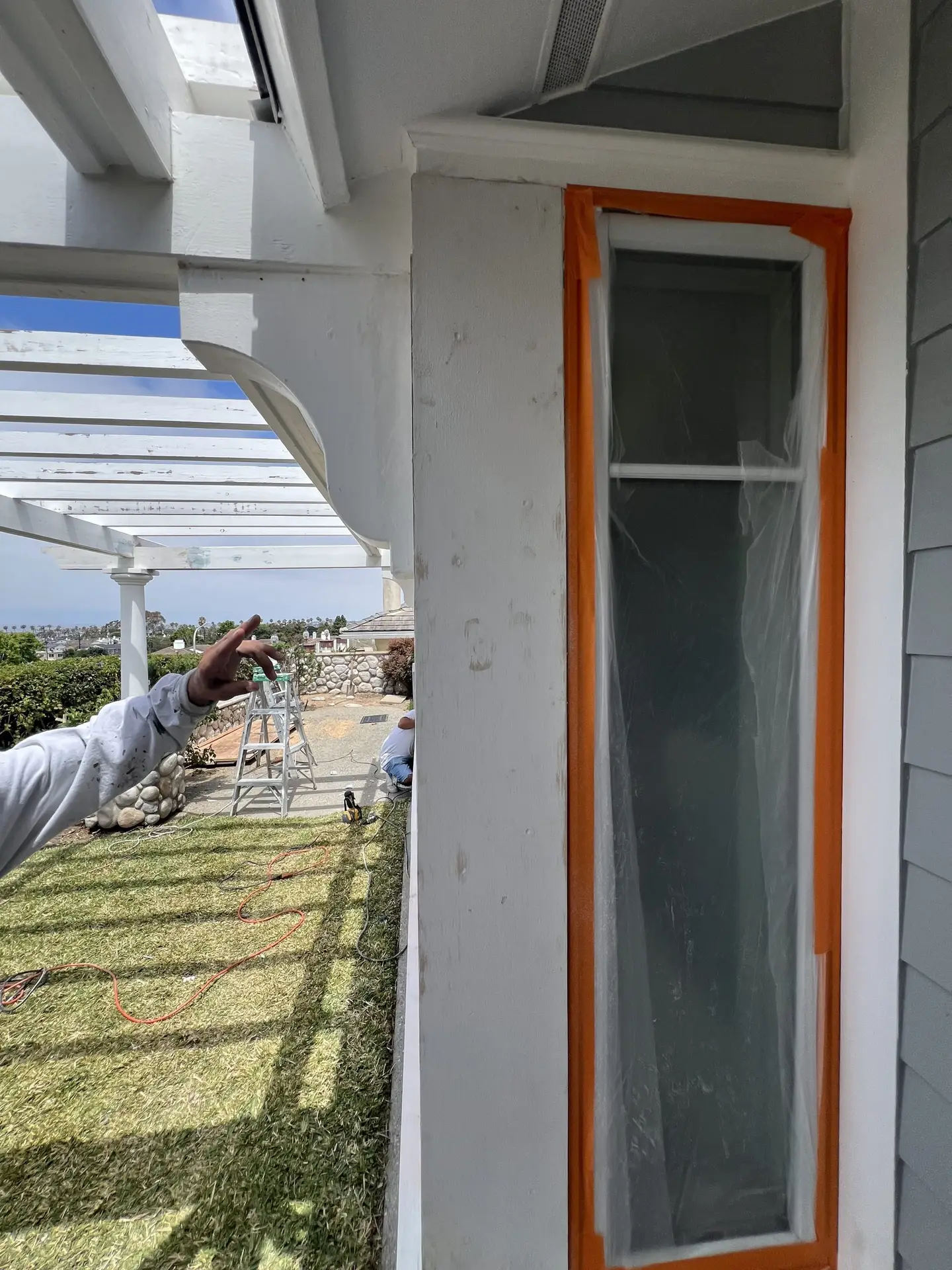
We walk the exterior and probe suspect areas — fascia, sills, trim, stucco cracks — and document everything with photos.
2. Surface preparation
Fire-rated coatings are only as good as their adhesion. We clean, sand, and prime to the manufacturer’s specification.
3. Applied to spec
Intumescent systems only perform at the correct dry film thickness. We apply in measured coats and verify thickness — this is the step DIY applications and inexperienced painters get wrong.
4. Topcoat and finish
Most intumescent systems accept a compatible decorative topcoat, so the finished surface can match your color scheme. It looks like paint, not like a compromise.
5. Documentation
We provide product data sheets and application records for your inspector, insurance carrier, or HOA file.
Top-Rated Fire Retardant Paint Company
Five-star painting reviews, our commitment to excellence shines through every project. Join the ranks of satisfied customers who trust Southern California’s most recommended painting services. Read More Reviews.
Protect What You've Built
Whether you’re hardening a hillside home against ember exposure, meeting a fire-rating requirement on exposed steel, or adding protection to a garage or ADU, fire-rated coatings are a paint-based solution to a structural problem — and Laguna Painting is one of the few Orange County painting contractors equipped to apply them correctly.
Family-owned. Licensed and insured. Serving all of Orange County.
FAQs
Do I need a general contractor or a painter for dry rot repair?
For rot in fascia, trim, siding, sills, and door or window frames, a painting contractor that does repair work — like us — handles it start to finish, and you avoid coordinating two companies. If rot reaches structural framing, that’s GC territory, and we’ll tell you if we find it.
Can rotted wood be repaired without replacing it?
Often, yes. If the rot is partial and the surrounding wood is sound, we remove the decayed material and rebuild the area with structural epoxy that bonds to the remaining wood. Full replacement is reserved for wood that’s rotted through — it’s not the default.
How do you repair a rotted door frame or jamb?
We cut out the decayed section, treat the remaining wood, and either rebuild the profile with epoxy or splice in new material, then prime and paint. Door frames and jambs are among the most common — and most saveable — rot repairs we do.
Will the stucco patch match my existing texture?
Yes — texture matching is the core skill of stucco repair. We match smooth, sand, lace, and dash finishes by hand and blend the patch edges so that after paint, the repair is invisible.
How do you keep the rot or cracking from coming back?
By fixing the water path, not just the symptom. Every repair includes identifying how moisture got in — failed caulk, sprinklers hitting the wall, flashing gaps, unsealed cracks — and closing that path before we paint.
Do you handle the repairs and the painting, or just one?
Both, on the same project, with one crew and one invoice. That’s the point: the repair prep and the paint system are designed to work together, and the warranty covers the whole assembly.